
The short answer. In Tennessee, an estate is opened in the county’s court for probate. The judge accepts or rejects the will, and an executor (or, with no will, an administrator) is appointed to collect the assets, open an estate bank account, pay the debts and distribute what’s left. Without a will, the estate passes by statute. Smaller estates may have shorter routes: the small-estate process when the probate property is personal property worth no more than $50,000, and a muniment of title when a will just needs to prove who owns a house or other property. A will can be challenged, but generally within two years after it’s admitted to probate. Every estate is different, so talk with me about your specific situation.
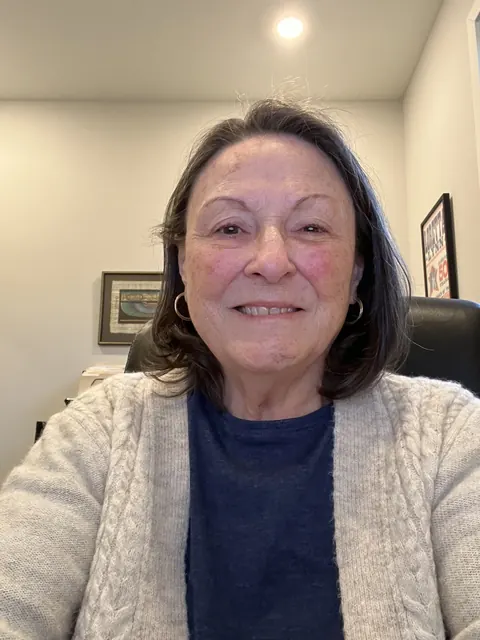
I’m Brenda Clark, a Nashville attorney licensed in Tennessee since 1983. I handle probate with and without a will, muniments of title and contested estates in Davidson, Williamson, Sumner and Wilson counties, and I was counsel for two of Conway Twitty’s children in the appeals over his estate.
How does probate work in Tennessee?
When someone passes away with property in their own name, the estate generally goes into probate, whether the person had a will or not. Uncontested or contested, if there’s a will, you go to the court to open an estate, and the judge accepts the will or rejects it, based on whether it was properly made and is valid. Here is the path most estates follow:
- Open the estate. Someone, usually the executor named in the will, asks the probate court to admit the will and open the estate. Each county handles this in its own court; talk with me about where yours would be opened. Davidson · Williamson · Sumner · Wilson
- The executor is appointed. The court gives the executor (or administrator) papers, called letters, showing their authority to act for the estate.
- Notice to creditors. A notice is published so creditors can file their claims within the time it states. Claims filed more than 12 months after the death generally come too late (§§ 30-2-306, -307).
- Gather the assets. The executor collects everything that belongs to the estate and opens a bank account in the estate’s name.
- Pay the debts. Valid debts and expenses are paid from the estate.
- Distribute. What’s left goes to the people the will names, or, with no will, to the people the law names.
- Close the estate. The executor accounts for what came in and went out, and the court closes the estate.
How long it takes depends on the estate, whether anyone disagrees, and the creditor period. Talk with me about yours.
Your situation, and what to know first
I’ve been named executor. What do I do first?
Being an executor is a real responsibility. The job is to gather everything into the estate, pay what’s owed and distribute the rest according to the wishes of the person who made the will, honestly and carefully, with records of every dollar. Before you do anything with the property, the court has to appoint you. So start by finding the original will and the papers on the list below, and don’t sell, give away or divide anything until you have authority and advice. What you need to do next depends on the estate, so talk with me about your specific situation.
Free for this: a free probate consultation.
There’s no will.
Even if a person doesn’t have a will, when they pass away their estate goes through probate, and the statute sets out who receives what. In general, a spouse takes everything if there are no children or other descendants; with children, the spouse takes a third or a child’s share, whichever is more, and the children share the rest; with no spouse, it goes to the children, then the parents, then brothers and sisters, and on out (§ 31-2-104). The court appoints an administrator to do the executor’s job.
Free for this: a free probate consultation.
It’s a small estate, or it’s really just the house.
The title to a house can sometimes be transferred without opening a full estate. Which route fits depends on what the person owned and whether there’s a will:
| Full probate | Small estate | Muniment of title | |
|---|---|---|---|
| When it fits | Most estates, especially with debts to settle or property to collect | The probate property is personal property (not real estate) worth no more than $50,000 | There’s a will, and what’s needed is proof of who now owns a house or other property |
| What it involves | Opening the estate, letters, notice to creditors, gathering, paying and distributing, then closing | A sworn petition for limited letters, filed after 45 days from the death (the court can shorten that for good cause); no notice to creditors | The will is admitted to probate only to prove ownership: no letters, no full administration |
| The law | §§ 30-2-306, -307 (creditors) | § 30-4-102(9), § 30-4-103 | § 32-2-111 |
Some things often pass outside the estate altogether, such as an account that names a beneficiary or a “payable on death” person, or property owned jointly with a right of survivorship. Which of these apply depends on how each thing was titled, so bring what you have and talk with me about your specific situation.
Free for this: a free probate consultation.
I’m an heir, and I don’t trust how the estate is being handled.
Some people call me who are beneficiaries or heirs of a will. They don’t understand the process and feel like they’re being taken advantage of; they don’t trust the executor, or they feel like things aren’t being done properly. People call and say, “I’m supposed to inherit this, but it’s not happening.” That causes a lot of stress.
People want what they inherit. I understand you want to know your father’s or mother’s or other family member’s wishes are honored, that you received what you were supposed to receive, and that you were treated fairly. I represent beneficiaries and heirs who need help making sure a will is followed and an estate is handled properly.
An executor works for the estate, and generally has to keep the estate’s money separate, keep records, and account for what comes in and goes out. When that isn’t happening, the probate court can be asked to step in, for example by requiring an accounting or, in serious cases, by replacing the executor. Whether that fits your situation depends on the facts, so talk with me about it.
Free for this: a free probate consultation.
I don’t think the will is valid.
A will can be challenged. One ground is that it wasn’t signed properly: a Tennessee will generally has to be signed in front of at least two witnesses, who sign in the presence of the person making it and of each other (§ 32-1-104). Courts also recognize other grounds, and whether any fits depends on the facts. There’s a deadline: a contest generally has to be brought within two years after the order admitting the will to probate, with exceptions for minors and people a court has found incompetent (§ 32-4-108). So don’t wait. Talk with me about your specific situation.
In a contested case I’m working hard, investigating, going down every rabbit hole that needs to go down to see if there’s something there that can help, and I know when it’s necessary to hire experts, for instance to value the assets.
Free for this: a free probate consultation.
I’m the surviving spouse.
I’m sorry for your loss. If there’s a will, a surviving spouse in Tennessee can choose to take a set share of the estate instead of what the will leaves them, and the share depends on the length of the marriage (§ 31-4-101(a)(1)):
| Married | Spouse’s share |
|---|---|
| Less than 3 years | 10% |
| 3 years, less than 6 | 20% |
| 6 years, less than 9 | 30% |
| 9 years or more | 40% |
There’s a deadline to make that choice, and there can be other protections for a surviving spouse and minor children too. Which apply depends on the facts, so talk with me about your specific situation soon. How the Twitty estate changed this law · Wills when you’ve married again
Free for this: a free probate consultation.
What to gather after a death
No sign-up needed. Bring as much of this as you have to our first meeting:
- Certified copies of the death certificate
- The original will and any later changes to it, if there is one
- A list of bank, retirement and investment accounts, and whether any name a beneficiary or a “payable on death” person
- Life insurance policies
- Deeds to any real estate, and car titles
- Recent statements, bills and anything owed
- The names and addresses of close family, and of everyone named in the will
Until someone has authority from the court, don’t sell, give away or divide anything. Talk with me first.
Case study: the Conway Twitty estate
When I left the attorney general’s office, my neighbor was in the middle of the disputed estate of her father, Conway Twitty, the country music legend. I listened to her talk about what was happening, and it seemed like it was really off track. So I came on board to help their team, and to help protect their father’s legacy and his music.
Before the Twitty case, a surviving spouse who chose to take against the will got a set share of the estate, and the children got a set share. It didn’t depend on how many years the person had been married. So it was unfair for a widow to get a large share of the estate when perhaps she had only been married a year, and children from a prior marriage were receiving less than they should have.
That led Conway Twitty’s children and me to advocate with the Tennessee legislature to change the law, so that a surviving spouse’s share depends on the number of years of marriage.
I was counsel for two of his children in the appeals: In re Estate of Jenkins, 97 S.W.3d 126 (Tenn. Ct. App. 2002), and the 2005 follow-up appeal. Harold L. Jenkins was Conway Twitty’s legal name.
The case was later told on Investigation Discovery’s The Will: Family Secrets Revealed, in the episode “The Estate of Conway Twitty” (season 2, first aired November 2, 2011), and I was featured in it.
Every case is different. Past results don’t guarantee a future outcome.
It taught me how important it is to family members who are left behind to know that their loved one’s wishes are being honored the way they wanted, and that the family is being taken care of and preserved.
What a client and a referral source say about working with me
My Google reviews so far are about family-law work. These speak to how I work, not to a particular kind of case.
“Brenda is a wonderful lawyer! Kind, compassionate, empathetic, understanding, knowledgeable, fair, and a trusted legal advisor. I’m very grateful she was my guide through an extremely difficult experience.”
From someone who refers clients to me
“Brenda is a well rounded trial attorney with years of experience. She is fierce, dedicated, honest and hard working for her clients. I never hesitate to recommend her. Brenda is a true asset to the legal community as she sets the standards high.”
Reviews describe one person’s experience, in their own words. Every case is different. Past results don’t guarantee a future outcome. Read more reviews
- Licensed in Tennessee since 1983. Board of Professional Responsibility record
- Counsel in contested estates, including the appeals over Conway Twitty’s estate (above).
In Brenda’s Words
What is probate?
Generally, an estate goes into probate after someone passes away, whether the person has a will or not. When we probate an estate with a will, after the testator (the person whose will it is) passes, we go into court and ask the court to probate the will the person left, and I oversee making sure it’s done appropriately and that all the rights of the testator are honored.
What’s the biggest risk when an estate isn’t handled well?
I think the biggest one is fracture of the family. When someone passes away, sometimes the true character of their beneficiaries comes out and grief takes over. I try to help families avoid that.
What if the will becomes contested?
In cases where wills become contested, I’m aggressive. My clients feel protected because I have a good command of the law and a strong ability to develop the facts consistent with the law.
Questions people ask about probate in Tennessee
Does every estate go through probate?
Not always. When someone dies with property in their own name, the estate generally goes through probate, whether there’s a will or not. But not everything a person owned has to: accounts with a named beneficiary and property owned jointly with a right of survivorship often pass outside it, and if everything passed that way, there may be no estate to open. Talk with me about your specific situation. See the small-estate routes
Will I have to pay my parent’s debts?
Generally, an estate’s debts are paid from the estate, not by the family out of their own pockets. There are exceptions, such as a debt you signed for too, so talk with me about your specific situation.
How long does probate take?
It depends on the estate, whether anyone disagrees, and the time creditors have to file claims. A small estate or a muniment of title can be quicker. Talk with me about yours.
Where is the estate opened?
In the probate court of the county, and each of my four counties handles it in its own way. Talk with me about where yours would be opened. Davidson · Williamson · Sumner · Wilson
Is the first consultation free?
Yes, at my Nashville office or by phone or video. I handle estates in Davidson, Williamson, Sumner and Wilson counties, and work with people in Spring Hill too. Schedule it here