
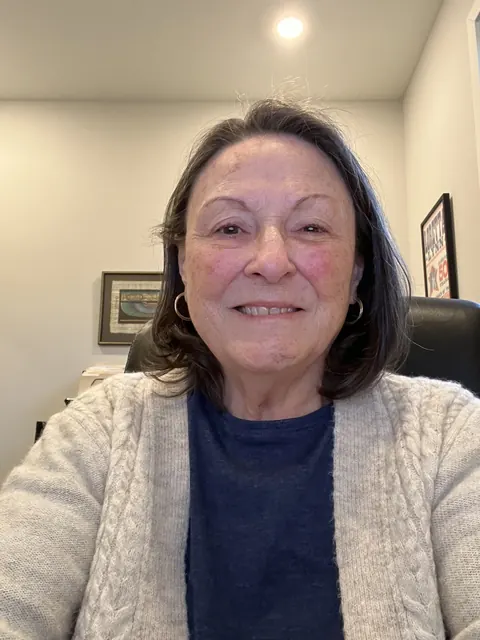
The short answer. If you die without a will in Tennessee, the law decides who inherits your property, in an order set by statute, whatever you would have wanted. A Tennessee will generally has to be signed by you in front of two witnesses, who sign too. A will covers what happens after you die. A durable power of attorney lets someone you trust handle your money if you can’t, and a health care agent can make medical decisions for you. A divorce revokes what your will leaves to your former spouse, but the rest of the will still stands, so it’s worth updating. Every family is different, so talk with me about your specific situation.
I’m Brenda Clark, a Nashville attorney licensed in Tennessee since 1983. I write wills, including wills with trusts for minor children, durable powers of attorney and health care agent designations, for families in Davidson, Williamson, Sumner and Wilson counties. I’ve also litigated contested wills and estates. More complicated estate planning, such as living trusts, I refer to other lawyers.
Which documents do you need?
| Document | What it does | When it matters |
|---|---|---|
| Will | Says who receives your property after you die, who you trust as your executor, and can set up a trust for children who are still minors. | After your death. Without one, the law decides. |
| Durable power of attorney (for money) | Gives someone you trust the legal authority to handle your property, legal affairs, business affairs or financial affairs for you. | While you’re alive but can’t act for yourself, if the document says it lasts through incapacity. |
| Health care agent | Lets someone you trust make health care decisions for you, based on your wishes. | While you’re alive but can’t decide for yourself. |
| Living will | Writes down your own wishes about medical treatment. | The same: it speaks for you when you can’t. |
I talk with every will client about the first three. What a power of attorney does, in full
Your situation, and what to know first
I know I need a will. I keep putting it off.
Here’s what happens if you don’t have one. If you don’t have a will in place, your estate passes by statute, and the statute sets out who receives your property. There’s a real chance someone you don’t want to have anything ends up with it. You may be estranged from someone, and they end up with all of your property.
In general, Tennessee’s order runs like this: a spouse takes everything if you have no children or other descendants; with children, the spouse takes a third or a child’s share, whichever is more, and the children share the rest; with no spouse, it goes to your children, then your parents, then your brothers and sisters, and on out (§ 31-2-104).
Free for this: a free will consultation.

We have young children, and nothing in writing.
If something happened to you, your children’s other parent would usually raise them. A will lets you say who you’d want if that isn’t possible, and it can hold what your children inherit in a trust until they’re grown, run by someone you trust. I write wills with that kind of trust in them. How it works for your family depends on your situation, so talk with me about it.
The usual reaction when the will is signed? People sigh and say, “Well, that feels good to know this is taken care of. I know my kids are protected.”
Free for this: a free will consultation.
How is a Tennessee will signed?
A will has to be executed a certain way under the statute, and it’s real important to know how to do that, because it can invalidate the will if it’s not done properly. In short (§ 32-1-104):
- You sign the will (or acknowledge your signature) in front of at least two witnesses.
- The witnesses sign in your presence and in each other’s.
- Keep the original somewhere safe, with the roadmap of your accounts, and tell your executor where it is.
A will whose signature and main provisions are in your own handwriting doesn’t need witnesses when it’s signed, but after your death two witnesses must prove the handwriting is yours (§ 32-1-105). Handwritten wills are easy to get wrong; talk with me before you rely on one.
I need someone who can handle my money if I can’t.
If you are unable to act for yourself, a power of attorney gives someone you trust the legal authority to handle your property, legal affairs, business affairs or financial affairs for you. When I do a will, I always talk with the client about whether they need a power of attorney for financial matters, so that if something happened to them, they have someone who can pay their bills and take care of anything that needs taking care of.
Under Tennessee’s durable power of attorney law, the document keeps working after you become incapacitated only if it says so in its own words (§ 34-6-102). Without one, your family may have to ask a court to appoint someone to manage your money, which usually takes longer and is public. There are fill-in forms online; whether a form fits you depends on what you own and who you’re trusting, so talk with me about your specific situation.
Free for this: a free will consultation. Powers of attorney in Tennessee, in full
Who makes medical decisions if I can’t?
If you are unable to make medical decisions for yourself, a health care agent designation gives someone you trust the legal authority to make health care decisions for you, based on your wishes. I always make sure we discuss the health care agent forms, so you can name someone who can make those decisions for you if you can’t.
In Tennessee, the document must be in writing and signed, and either notarized or witnessed by two competent adults. Neither witness can be your agent, and at least one must not be related to you by blood, marriage or adoption and must not be someone who would inherit from you (§ 68-11-1803(b)). If you haven’t named anyone, the law lists people a doctor may turn to, in order of preference, starting with your spouse (unless you’re legally separated), then an adult child, a parent, an adult brother or sister, and so on (§ 68-11-1806). That may not be the person you’d choose.
Free for this: a free will consultation. Health care agents and powers of attorney, in full

I’m divorced, or getting divorced.
Now that you’re moving on in life, it’s a good idea to update your will, power of attorney and medical information.
- Your will: a divorce revokes what your will leaves to your former spouse, and any appointment of them as executor, trustee, conservator or guardian, unless the will says otherwise. The rest of the will still stands, which may not be what you want now (§ 32-1-202).
- Your health care agent: a divorce, annulment or legal separation revokes your spouse’s appointment as your agent, unless the decree or the document says otherwise (§ 68-11-1804(c)).
- Your financial power of attorney: don’t count on the divorce to cancel one that names your ex. Revoke it in writing and sign a new one; talk with me about how.
- Life insurance and retirement accounts: the beneficiary forms are separate from your will. Check each one.
Still in the middle of the divorce? Once it’s filed and served, an automatic order stops both of you from changing insurance beneficiaries without the other’s OK or a court order (§ 36-4-106(d)). So plan during the case, and talk with me about when to sign. My free guide Journey Through Divorce has a records checklist that covers your insurance policies and beneficiaries.
If you can’t receive or download this guide safely, or are concerned about your spouse seeing it, please call me directly at 615-649-6841.
Free for this: a free will consultation. Your will after a divorce, step by step

I’m married again, with children from before.
A second marriage changes the picture. In Tennessee a surviving spouse can choose to take a set share of the estate instead of what the will leaves them, and the share grows with the length of the marriage (§ 31-4-101(a)(1)):
| Married | Spouse’s share |
|---|---|
| Less than 3 years | 10% |
| 3 years, less than 6 | 20% |
| 6 years, less than 9 | 30% |
| 9 years or more | 40% |
There’s a deadline to claim it, and other rules can apply, so talk with me about your specific situation. After the Conway Twitty estate, his children and I advocated with the Tennessee legislature to base a surviving spouse’s share on the number of years of marriage. The Twitty estate, in my words
Free for this: a free will consultation.
My parent is declining, and nothing is in place.
Start now, while they can still take part. A will, a power of attorney and a health care agent all need the person signing to understand what they’re signing. Whether your parent still can is a question to talk through with me before anything is signed. If it’s too late for them to sign, the family may have to go to court instead.
Free for this: a free will consultation.
Do I need a will, or an estate planner?
Estate planning is a pretty broad term. Generally, the lawyers who do estate planning focus only on that: setting up living trusts, family partnerships and trusts that have real tax consequences, with a lot of rules that change often. I don’t do that kind of planning. I write wills, including wills with a trust in them to leave property to children until they’re grown, powers of attorney and health care agent forms. If you need more complicated estate planning but don’t know where to start, feel free to contact me for trusted referrals.
What’s it like to make a will with me?
My goal is to give you a roadmap. I work with you to gather information on all your assets and your wishes, including whether any of your accounts already name a beneficiary. We talk about the bequests (who gets what), about whether you need a power of attorney for financial matters, and we discuss the health care agent forms, so you can name someone to make decisions according to your wishes if you can’t.
We talk about who your executor should be. It needs to be a trusted person who will do what you tell them to do, won’t steal from the estate, and will take care of your beneficiaries the way you want them taken care of.
And I talk with you about not only keeping the will in a safe location, but keeping a list of all your accounts and passwords and your life insurance policies with it, so your spouse or your children, while they’re grieving, don’t have to go on a mission to find out what the assets were. It gives them a roadmap.
Book a free consultation and we’ll start your roadmap.
What clients say about working with me
My Google reviews so far come from my family-law clients. These two speak to how I work, not to a particular kind of case.
“Brenda is absolutely amazing… she is of course very knowledgeable, but also makes the entire process as comfortable as possible. She thought of every detail, and put me at ease with confidence that everything was handled. She was personally referred to me and I would refer her to others myself.”
“Brenda is an excellent attorney with many years of experience. She is very knowledgeable, thorough and an amazing person. - AW”
Reviews describe one person’s experience, in their own words. Every case is different. Past results don’t guarantee a future outcome. Read more reviews
- Licensed in Tennessee since 1983. Board of Professional Responsibility record
- I’ve litigated contested wills and estates, including as counsel for two of Conway Twitty’s children in the appeals over his estate (In re Estate of Jenkins, 97 S.W.3d 126 (Tenn. Ct. App. 2002)). The story, on my probate page
In Brenda’s Words
How do you know if your will is legally sound?
You need to speak with someone who is experienced both in creating clear, valid wills and in handling contested and uncontested probates.
When I draft or review a will, I look at it from the point of view of: is it solid, will it hold up, will what you want truly happen, and how can I protect the assets of the estate to help make sure they go where they’re supposed to. Because I’ve handled will contests and disputes and contested estates, I understand how important the drafting of the will is, so it has clarity and is unambiguous. That’s the key. It’s like when you draft a contract: unless you’ve tried cases involving breach of contract, you don’t always think about everything.
Why does a clear will matter so much?
When someone passes away, sometimes the true character of their beneficiaries comes out and grief takes over. I try to help your family avoid a situation where that can fracture them. I think the biggest problem a family can face is fracture of the family.
Why do you do this work?
When I left the attorney general’s office, I was asked to help with the disputed estate of Conway Twitty. I learned how important it is to family members left behind to know their loved one’s wishes are being honored in the way they wanted, and that the family is being taken care of. About me
Questions people ask about wills in Tennessee
Can I write my own will?
You can. A will written entirely in your own handwriting can be valid in Tennessee, and so can a typed one signed in front of two witnesses. The risk is in the details: a will that isn’t signed and witnessed properly can be thrown out, and unclear wording can leave your family arguing over what you meant. Talk with me before you rely on one.
Where should I keep my will?
Somewhere safe that your executor knows about, with a list of your accounts, passwords and life insurance policies, so no one has to go on a mission to find them.
Does a will keep my estate out of probate?
No. A will doesn’t avoid probate: when someone dies with property in their own name, the estate generally goes through probate, whether there’s a will or not. A clear will tells the court and your family what you wanted. How probate works
How often should I update my will?
Whenever your life changes: a divorce, a marriage, a new child or grandchild, a death, or a falling-out. A will is always subject to being changed.
Is the first consultation free?
Yes, at my Nashville office or by phone or video. I work with families in Davidson, Williamson, Sumner and Wilson counties, and with people in Spring Hill too. Schedule it here